
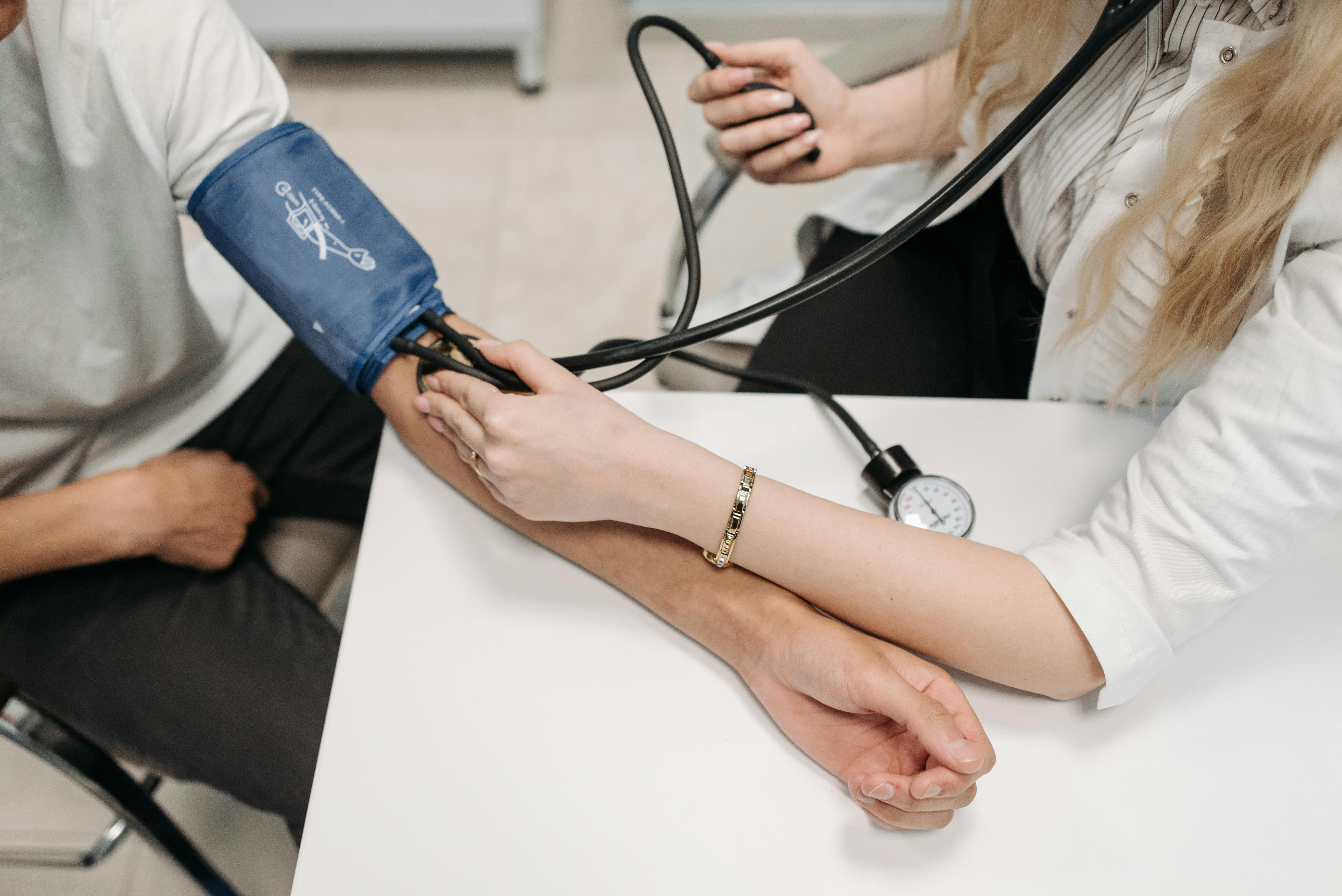
Whether it’s for a job requirement, a regular check-up, or a step towards a healthier lifestyle, preparing for a health assessment examination is essential. A health assessment test offers a comprehensive overview of one’s health status, helping individuals to understand their bodies better and make informed decisions. Preparing for such assessments requires a blend of physical, mental, and logistical readiness. This article will guide you through the necessary steps to ensure you are well-prepared for your next medical health assessment.
Understanding the Health Assessment Examination
A health assessment examination evaluates various aspects of an individual?s health. It often includes tests and screenings tailored to the person’s age, gender, and medical history. Being aware of what to expect can alleviate anxiety and lead to a more effective assessment.
Components of a Health Assessment
- Medical History Review: This includes a detailed discussion about your past medical history, family history, lifestyle choices, and any current symptoms.
- Physical Examination: A head-to-toe examination to assess general health status.
- Diagnostic Tests: These may include blood tests, imaging tests, and other screenings based on individual health needs.
Steps to Prepare for Your Health Assessment
Gather Necessary Information
Prepare a list of your current medications, allergies, and any past medical records. If you have undergone previous health assessments, it can be beneficial to bring those records along. This information will provide the healthcare provider with a comprehensive understanding of your health history.
Fasting Requirements
Many health assessments require fasting, especially if blood tests are involved. It’s essential to confirm whether fasting is necessary and adhere to the guidelines provided by your healthcare provider. Typically, fasting for 8-12 hours is recommended before tests like cholesterol screening.
Plan Your Schedule
Choose a date and time for your health assessment that allows you to be relaxed and focused. Avoid scheduling on a day filled with other commitments to ensure you can dedicate time to the assessment without being rushed or stressed.
Prepare Mentally and Physically
- Rest Well: Ensure you get adequate sleep the night before.
- Stay Hydrated: Drink plenty of water unless instructed otherwise.
- Dress Comfortably: Wear loose-fitting clothes to facilitate easy examination.
What to Do During the Examination
During the medical health assessment, communicate openly with your healthcare provider. Discuss any symptoms or concerns you may have. Honest communication is crucial for accurate diagnosis and effective treatment planning. Remember, the assessment is a collaborative process aimed at improving your overall well-being.
Post-Assessment Tips
Review Results and Follow Up
After the assessment, take time to review your results with your healthcare provider. Understanding the findings is vital in taking proactive steps towards maintaining or improving your health. If any follow-up tests or appointments are recommended, schedule them promptly to address any potential health issues.
Maintain a Healthy Lifestyle
A health assessment is not just a one-time check but a part of a continuous journey towards better health. Implementing lifestyle changes, such as a balanced diet and regular exercise, can enhance the benefits of your health assessment. If you need guidance, consider exploring resources on maintaining a healthy lifestyle.
Conclusion
Preparing for your next health assessment test is a proactive step towards taking control of your health. By understanding the process, preparing adequately, and engaging in open communication with healthcare providers, you can make the most out of your health assessment. Embrace the opportunity to gain insights into your health status and take informed actions to enhance your quality of life.
