
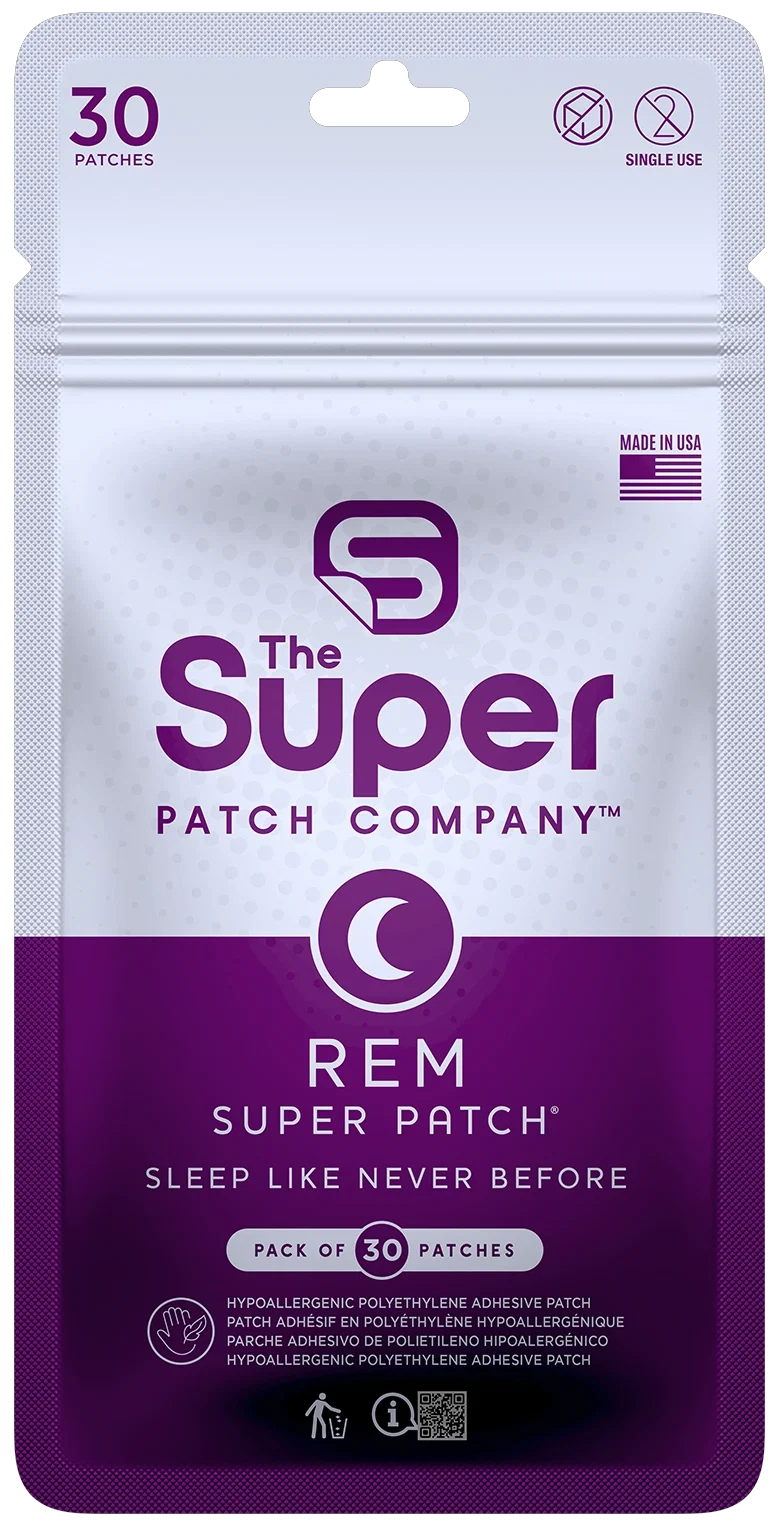
In the pursuit of effective pain management, various solutions have emerged to offer relief from discomfort, whether due to chronic conditions, injuries, or the stresses of daily life. Among these options, pain relief patches have gained popularity for their convenience and targeted action. However, determining if these patches are suitable for you requires an understanding of their benefits, usage, and limitations. This article will explore the essentials of pain relief patches, helping you decide whether they are the right choice for your needs.
Understanding Pain Relief Patches
Pain relief patches are adhesive strips designed to deliver medication through the skin directly to the affected area. They offer several advantages:
- Targeted Delivery: The medication is applied directly to the area needing relief, which may enhance effectiveness.
- Convenience: Unlike oral medications, patches are easy to use and can be applied discreetly under clothing.
- Continuous Relief: Many patches provide a steady release of medication over several hours, reducing the need for frequent reapplication.
Types of Pain Relief Patches
Over-the-Counter (OTC) Patches
OTC pain relief patches are widely available and typically contain ingredients such as menthol, capsaicin, or lidocaine. These patches are suitable for mild to moderate pain and are commonly used for conditions like muscle aches and joint pain.
Prescription Patches
For more severe pain, prescription patches may be recommended. These often contain stronger medications, such as opioids or non-steroidal anti-inflammatory drugs (NSAIDs), and require a doctor’s supervision. They are generally used for chronic pain conditions or post-surgical pain management.
Benefits and Limitations
Benefits
- Reduced Systemic Effects: Since the medication is localized, there is often a lower risk of systemic side effects compared to oral pain medications.
- Non-Invasive: Patches are a non-invasive alternative to injections or other forms of treatment.
Limitations
- Skin Sensitivity: Some individuals may experience skin irritation or allergic reactions to the adhesive or medication.
- Limited Use: Not all types of pain can be effectively managed with patches, particularly deep, internal pain.
Are Pain Relief Patches Right for You?
Deciding whether patches for pain relief are suitable for you involves considering several factors:
- Type and Intensity of Pain: Evaluate whether your pain is mild, moderate, or severe and whether it is localized or widespread.
- Personal Preferences: Consider your lifestyle and whether you prefer a discreet form of pain relief that does not interfere with daily activities.
- Medical History: Discuss with a healthcare professional if you have any underlying conditions that might be affected by the use of patches.
Conclusion
Pain relief patches represent a viable option for many individuals seeking alternative methods to manage discomfort. With their targeted delivery and ease of use, they offer a practical solution for those experiencing localized pain. However, it is crucial to evaluate their suitability based on personal needs and medical advice. By understanding the different types of patches and weighing their benefits against potential limitations, you can make an informed decision about incorporating them into your pain management strategy.
