
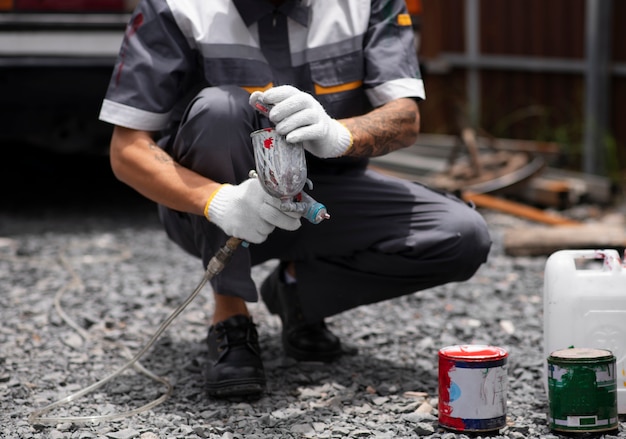
When searching for “concrete polishing services near me,” homeowners and commercial property managers alike expect a blend of durability, aesthetic appeal, and cost-effective maintenance. Modern concrete polishing transforms dull slabs into high-gloss, stain-resistant surfaces that stand up to heavy traffic while enhancing the overall design of any space. This article outlines the essential considerations, benefits, and steps involved in selecting a qualified polishing provider, ensuring that the final floor not only meets functional demands but also elevates the visual standards of the property.
Why Choose Polished Concrete?
Polished concrete has become a top choice for a variety of environments, from retail showrooms to industrial warehouses, due to its unique combination of strength and style. The process involves grinding, honing, and chemically treating the concrete to achieve a glossy finish that can mimic natural stone, marble, or even high-gloss epoxy.
- Durability: The densified surface resists abrasion, impacts, and chemical spills.
- Low Maintenance: Routine cleaning requires only dust-mopping and occasional damp mopping.
- Eco-Friendly: No additional coatings are needed, reducing VOC emissions.
- Cost Efficiency: Long-term savings compared to carpet or tile replacements.
Key Factors to Evaluate in a Local Provider
Experience and Certification
Look for technicians who have completed accredited training programs and hold certifications from recognized industry bodies. Experience with a variety of substrates, such as overlay, stained, or integral color concrete, ensures adaptability to specific project needs.
Equipment and Techniques
Advanced polishing requires high-speed diamond-impregnated pads, precision grinding machines, and proper dust-control systems. Providers that invest in the latest equipment can achieve consistent gloss levels and smoother finishes.
Portfolio and References
Review completed projects that mirror the intended application. A solid portfolio demonstrates the ability to handle both small residential areas and expansive commercial floors.
Understanding the Polishing Process
The polishing sequence typically follows these steps, each crucial for a flawless result:
- Surface Preparation: Remove existing coatings, sealers, and contaminants.
- Grinding: Use progressively finer diamond grits (from 30 µm to 120 µm) to level the slab.
- Honing: Refine the surface with finer pads (200 µm to 400 µm) for increased smoothness.
- Densification: Apply a chemical hardener that penetrates the pores, enhancing strength.
- Final Polish: Use ultra-fine pads (800 µm to 1500 µm) to achieve the desired gloss level.
- Sealing (Optional): A penetrating sealer can be added for extra stain resistance.
Choosing the Right Gloss Level
Gloss levels range from matte (low sheen) to high-gloss (mirror-like finish). The selection depends on the space’s functional requirements and aesthetic goals:
- Matte (10-20 gloss): Ideal for industrial settings where slip resistance is paramount.
- Satin (30-40 gloss): Suits office environments, providing subtle elegance.
- High-Gloss (70-100 gloss): Perfect for retail showrooms, hotels, and residential living areas where visual impact is desired.
Maintenance Tips for Longevity
Proper upkeep preserves the shine and structural integrity of polished concrete:
- Sweep or vacuum daily to remove grit that can cause micro-scratches.
- Use pH-neutral cleaners; avoid acidic or abrasive detergents.
- Re-apply a densifier or sealer every 2-3 years in high-traffic zones.
- Promptly address spills, especially oil or chemicals, to prevent staining.
Local Search Strategies
Finding a reliable service near you begins with a focused online search. Incorporate geographic modifiers and specific service terms to narrow results. For instance, typing “concrete polishing services near me” into a search engine will prioritize providers with strong local SEO signals, such as Google My Business listings and positive client reviews.
To dive deeper into the technical aspects of polishing and see real-world case studies, Discover expert strategies here. This resource outlines best practices and showcases before-and-after galleries that illustrate the transformative power of a well-executed polish.
Cost Considerations
Pricing varies based on square footage, existing concrete condition, desired gloss level, and any additional services (e.g., staining or decorative aggregates). Typical rates range from $3 to $12 per square foot. While lower bids may be tempting, they can compromise equipment quality or labor expertise, leading to premature wear.
Environmental Impact and Sustainability
Polished concrete aligns with green building standards. By eliminating the need for extra floor coverings, it reduces material waste and embodied energy. Moreover, the process utilizes water-based grinding and dust-collection systems that minimize airborne particulates.
For those interested in sustainable flooring options, Explore advanced guides and tips. This link provides insight into eco-friendly practices and certifications relevant to concrete polishing.
Final Checklist Before Hiring
- Verify certifications and years of experience.
- Request a detailed, itemized quote.
- Confirm the provider uses dust-control measures.
- Ask for references from recent projects similar in scope.
- Ensure a clear warranty covering both workmanship and materials.
By following these guidelines, property owners can confidently select a qualified polishing partner, achieving a floor that combines durability, aesthetic appeal, and long-term value. For additional information on tailored solutions and how they can be applied to specific projects, Find out more about this approach.
