
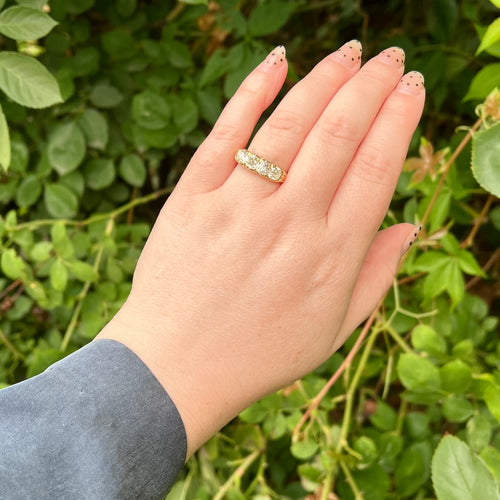
Choosing an antique ring is not only about finding a piece of jewelry; it?s about selecting a piece of history that resonates with personal taste and style. Antique rings offer unique designs and craftsmanship that differ significantly from modern jewelry pieces. Whether for a special occasion or as a timeless addition to a collection, understanding the nuances involved in selecting an antique ring is essential. This guide aims to provide insights into what to consider when exploring these exquisite pieces.
Understanding Antique Rings
Antique rings are generally defined as those that are at least 100 years old. This category includes a variety of styles and eras, each with its distinctive characteristics and historical significance. Before making a purchase, it’s crucial to understand the different periods and styles that fall under the antique jewelry category.
Popular Antique Ring Eras
- Georgian Era (1714-1837): Known for intricate metal work and the use of gemstones like topaz and garnet.
- Victorian Era (1837-1901): This period features romantic designs, often with floral motifs and the use of colored gemstones.
- Edwardian Era (1901-1915): Characterized by the use of platinum and diamonds, with elaborate, lacy patterns.
- Art Deco Era (1920-1935): Famous for bold geometric designs and vibrant colored stones.
Factors to Consider When Selecting an Antique Ring
Selecting an antique ring involves more than just an appreciation for its aesthetic. Several factors should be considered to ensure a wise investment and a satisfying choice.
Authenticity and Condition
- Authenticity: Verify the authenticity of the ring by seeking certifications or evaluations from trusted appraisers. Antique rings should have verifiable provenance.
- Condition: Examine the ring for any signs of damage or repair. Pristine condition often increases value, although some wear can add character.
For more detailed guidance on identifying authentic pieces, learn more in this detailed guide.
Style and Personal Preference
- Style: Consider the era and style that personally resonates. Each era has unique attributes, and selecting one that aligns with personal taste is crucial.
- Size and Wearability: Ensure the ring size is appropriate and the design is practical for regular wear, if intended for everyday use.
Investment Potential
Antique rings can also be considered as investment pieces. Their rarity and historical value can increase their worth over time. However, it’s essential to conduct thorough research and consult with experts to understand market trends.
Explore further insights here on the investment potential of antique jewelry.
Conclusion
Selecting an antique ring is a journey into history and craftsmanship. With careful consideration of authenticity, style, condition, and investment potential, it is possible to find a piece that not only holds historical value but also personal significance. Antique rings offer a timeless connection to the past and a unique expression of individual style. Find additional information here to assist in making an informed decision.
