
In today’s fast-paced world, maintaining steady energy levels can feel like an uphill battle. While caffeine and sugary snacks offer quick spikes, they often lead to crashes that leave you feeling more fatigued. A sustainable, natural approach to boosting vitality lies in the foods you place on your plate. By selecting nutrient-dense options that support mitochondrial function, stabilize blood sugar, and reduce inflammation, you can experience consistent stamina throughout the day without relying on synthetic stimulants. Below, discover a curated list of power-packed foods, the science behind their energizing properties, and practical ways to incorporate them into everyday meals.
Why Food Impacts Energy Production
Energy in the human body is generated at the cellular level, primarily within the mitochondria. Certain nutrients act as fuel or co-factors that enhance mitochondrial efficiency, while others help regulate the hormones that control hunger and satiety. When you consume a balanced mix of complex carbohydrates, high-quality proteins, healthy fats, and micronutrients, you provide the body with a steady supply of glucose and the tools needed to convert it into ATP, the molecule that powers every cell.
Top Power-Packed Foods for Natural Energy
1. Oats – The Slow-Release Carb Champion
- Rich in soluble fiber (beta-glucan) that slows glucose absorption.
- Contains B-vitamins essential for converting food into energy.
- Provides a comforting base for breakfast bowls, overnight oats, or smoothies.
2. Quinoa – Complete Plant Protein
- All nine essential amino acids, supporting muscle repair and metabolic health.
- High in magnesium, a mineral that aids ATP synthesis.
- Versatile for salads, pilafs, or as a breakfast porridge.
3. Bananas – Portable Potassium Power
- Excellent source of natural sugars paired with fiber for sustained release.
- Provides potassium, which helps maintain electrolyte balance during activity.
- Ideal for pre-workout snacks or blended into energy-boosting smoothies.
4. Almonds – Healthy Fat & Protein Combo
- Contain monounsaturated fats that support steady blood-sugar levels.
- Supply vitamin E, an antioxidant that protects mitochondria from oxidative stress.
- Great as a handful, mixed into yogurt, or sprinkled over salads.
5. Spinach – Iron-Rich Green Leaf
- High in iron and folate, crucial for oxygen transport and energy metabolism.
- Provides nitrates that improve blood flow and exercise efficiency.
- Use fresh in smoothies, saut??ed as a side, or tossed into soups.
6. Greek Yogurt – Protein-Dense Probiotic
- Delivers 10-20″?g of protein per serving, supporting muscle recovery.
- Contains probiotics that promote gut health, influencing overall energy.
- Pair with berries and a drizzle of honey for a balanced snack.
7. Dark Chocolate (70%+ Cocoa) – Mood-Elevating Antioxidant
- Provides flavonoids that improve blood flow to the brain.
- Contains a modest amount of caffeine and theobromine for gentle stimulation.
- Enjoy a square after lunch to stave off the mid-day slump.
How to Build an Energy-Optimized Meal Plan
Creating a daily menu that sustains energy involves balancing macronutrients and timing meals to avoid long gaps without fuel. Below is a simple framework you can adapt to your schedule:
- Breakfast: Combine a complex carb (oats or quinoa) with protein (Greek yogurt or eggs) and a fruit (banana or berries). This trio stabilizes blood sugar and kick-starts metabolism.
- Mid-Morning Snack: A handful of almonds or a small piece of dark chocolate provides healthy fats and a mild caffeine lift.
- Lunch: Build a salad with spinach, grilled chicken or tofu, quinoa, and a drizzle of olive oil. The mix of iron, protein, and healthy fat keeps you alert through the afternoon.
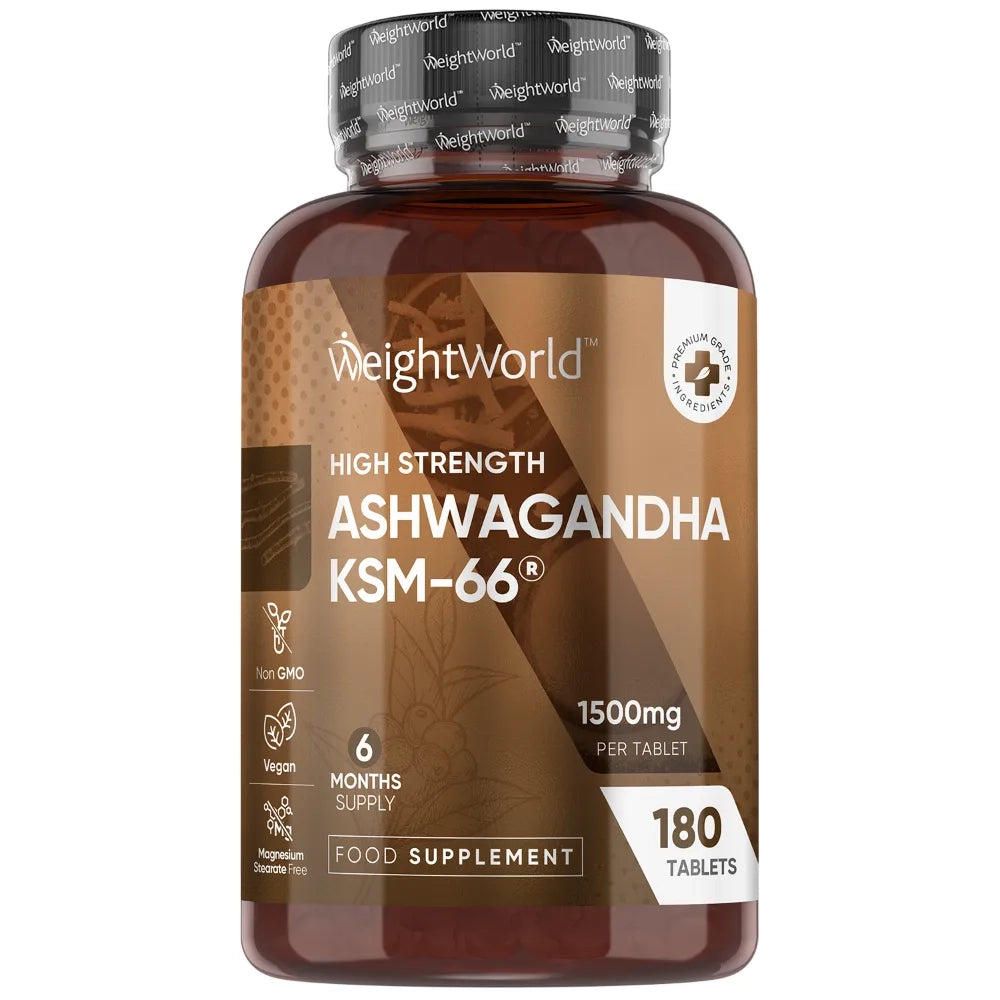
- Afternoon Boost: Blend a smoothie with banana, Greek yogurt, a spoonful of oats, and a pinch of cinnamon. If you need an extra lift, consider adding a natural energy booster supplement that aligns with a whole-food approach.
- Dinner: Focus on lean protein, steamed vegetables, and a small portion of complex carbs (sweet potato or brown rice) to replenish glycogen stores without overloading the digestive system before bedtime.
Additional Lifestyle Tips for Sustained Vitality
- Hydration: Dehydration mimics fatigue. Aim for at least 2″?liters of water daily, and include electrolytes after intense workouts.
- Sleep Hygiene: Quality sleep restores mitochondrial function. Target 7-9″?hours per night and maintain a consistent bedtime routine.
- Physical Activity: Regular moderate exercise (e.g., brisk walking, cycling) enhances mitochondrial density, making energy production more efficient.
- Stress Management: Chronic stress elevates cortisol, which can disrupt blood-sugar regulation. Practices such as mindfulness, yoga, or deep breathing help maintain balance.
Conclusion
Elevating your energy levels doesn’t require a reliance on synthetic stimulants or drastic diet overhauls. By incorporating a variety of nutrient-dense foods, such as oats, quinoa, bananas, almonds, spinach, Greek yogurt, and dark chocolate, you supply your body with the substrates and cofactors needed for optimal mitochondrial performance. Pair these choices with smart meal timing, adequate hydration, restful sleep, and regular movement, and you’ll experience a steadier, more vibrant flow of energy throughout the day. Embrace these natural power-packed foods and watch your productivity, mood, and overall well-being improve, one bite at a time.
