
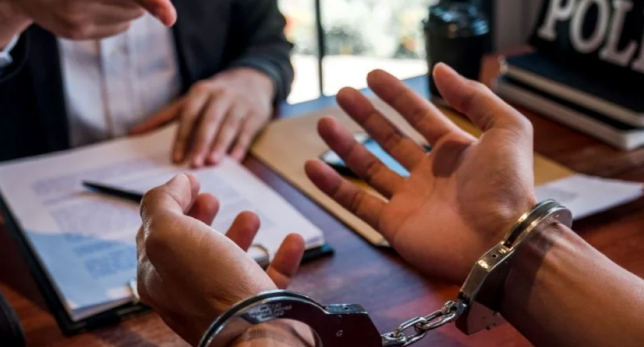
When an individual faces criminal charges, the stakes are high and the legal landscape can seem overwhelming. A criminal defense lawyer serves as the critical advocate who navigates complex statutes, procedural rules, and courtroom dynamics to protect a client’s rights and pursue the best possible outcome. Understanding the role of this legal professional helps demystify the process, clarifies expectations, and highlights why specialized expertise is essential in criminal matters.
Core Responsibilities of a Criminal Defense Lawyer
Case Evaluation and Strategy Development
- Conduct a thorough review of police reports, witness statements, and evidence.
- Identify legal defenses, such as alibi, self-defense, or lack of intent.
- Formulate a tailored defense plan that aligns with the client’s objectives and the specifics of the case.
Client Consultation and Communication
- Explain charges, potential penalties, and procedural steps in clear, non-technical language.
- Maintain regular updates, ensuring the client understands each development.
- Advise on plea-bargaining options versus trial, weighing risks and benefits.
Investigation and Evidence Management
- Hire investigators, forensic experts, or private detectives when needed.
- Gather exculpatory evidence and challenge the admissibility of prosecution evidence.
- Prepare and organize exhibits for trial presentation.
Negotiation and Plea Bargaining
- Engage with prosecutors to negotiate reduced charges, lesser sentences, or alternative sentencing.
- Utilize knowledge of local court practices to secure favorable outcomes.
- Ensure any agreement is fully understood and voluntarily accepted by the client.
Trial Representation
- Draft and file pre-trial motions, such as motions to dismiss or suppress evidence.
- Present opening statements, cross-examine witnesses, and deliver closing arguments.
- Employ persuasive storytelling to create reasonable doubt.
Key Skills That Define Effective Defense Counsel
- Analytical Ability: Rapidly dissect complex legal issues and identify weaknesses in the prosecution’s case.
- Communication: Articulate arguments clearly to judges, juries, and clients.
- Negotiation: Secure advantageous plea deals while preserving client rights.
- Research Proficiency: Stay current with evolving statutes, case law, and procedural reforms.
- Ethical Judgment: Uphold professional responsibility and confidentiality.
When to Seek a Criminal Defense Lawyer
Prompt engagement is crucial. Early involvement allows the attorney to:
- Preserve vital evidence before it is altered or lost.
- Advise on immediate actions, such as invoking the right to remain silent.
- Begin building a robust defense before pre-trial deadlines.
For those charged with misdemeanors, felonies, or facing federal indictments, consulting a seasoned attorney can dramatically influence the case trajectory. Discover expert strategies here to understand how specialized representation can protect constitutional rights.
Common Misconceptions About Criminal Defense
- “A defense lawyer only works for guilty people.” Defense counsel represents anyone accused, ensuring the legal system functions fairly.
- “Plea bargains are always a sign of weakness.” Accepting a plea can be a strategic choice that minimizes exposure to harsher penalties.
- “If the evidence looks strong, there’s no hope.” Skilled attorneys often uncover procedural errors or constitutional violations that can lead to dismissal.
Choosing the Right Criminal Defense Lawyer
Selection should be based on experience, track record, and compatibility with the client’s needs. Consider the following criteria:
- Years of practice specifically in criminal law.
- Success in handling cases similar to yours (e.g., drug offenses, white-collar crimes, violent felonies).
- Client testimonials and peer reputation.
- Clear fee structure and transparent communication style.
For a deeper dive into evaluating legal expertise, Learn about our tailored solutions that outline the qualities of top-tier defense counsel.
Impact of Effective Defense on Outcomes
Research consistently shows that defendants represented by qualified criminal defense attorneys experience more favorable results, including:
- Higher rates of charge reductions.
- Lower likelihood of conviction at trial.
- More favorable sentencing when convictions occur.
These benefits stem from meticulous case preparation, strategic negotiation, and courtroom advocacy. Explore advanced guides and tips to see how professional representation translates into tangible advantages.
Conclusion
The role of a criminal defense lawyer extends far beyond courtroom appearances. It encompasses strategic planning, rigorous investigation, skilled negotiation, and unwavering advocacy for constitutional protections. By understanding these responsibilities and the skill set required, individuals can make informed decisions when facing criminal charges. Engaging a knowledgeable attorney early in the process not only safeguards legal rights but also maximizes the potential for a favorable resolution. For comprehensive information on criminal defense practices, Find out more about this approach and stay empowered throughout the legal journey.
