
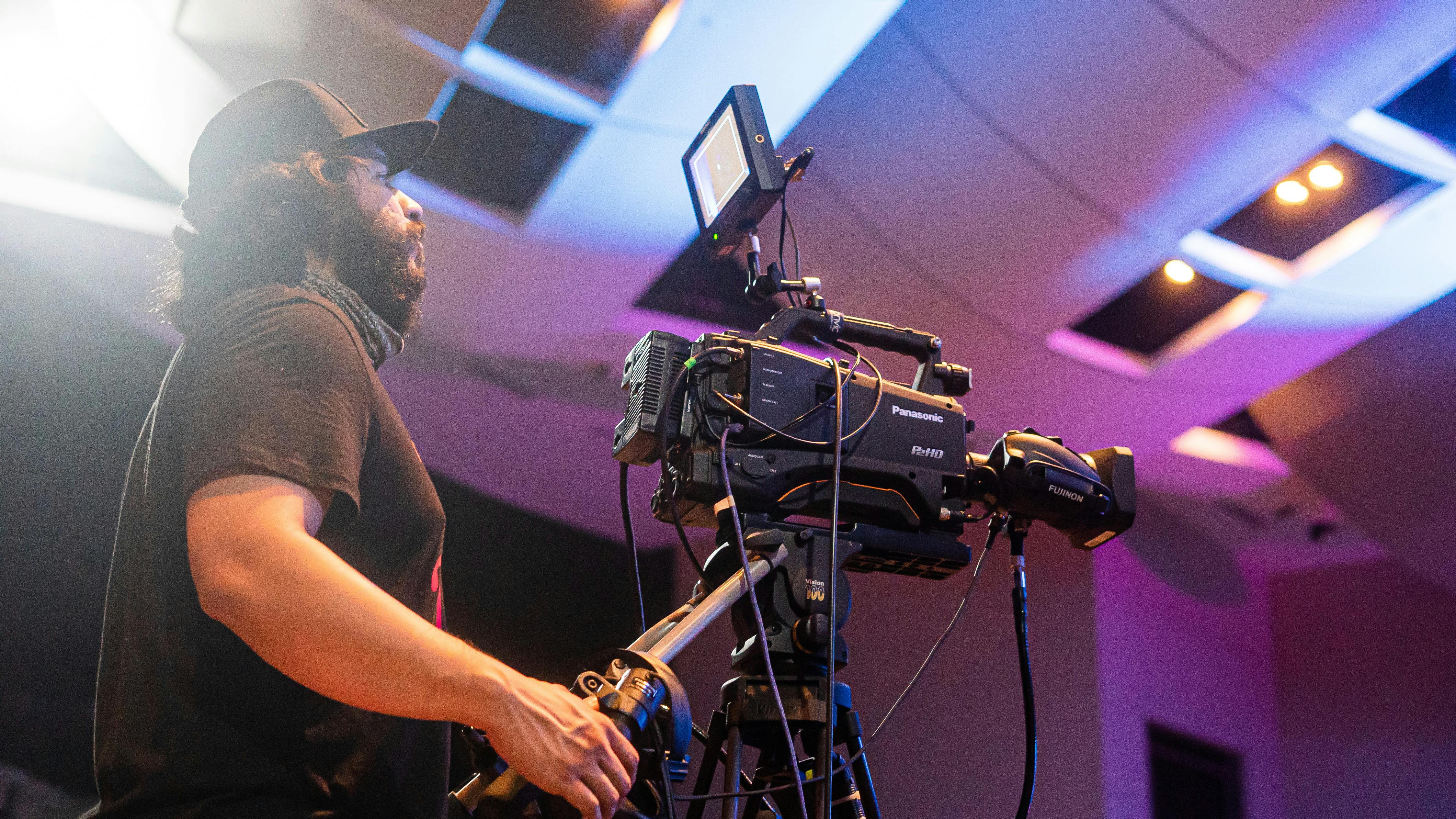
In today’s crowded digital marketplace, a well-crafted advertising video can be the decisive factor that captures attention, conveys brand values, and drives conversions. By blending storytelling, visual aesthetics, and strategic messaging, video production transforms abstract ideas into compelling narratives that resonate with target audiences. This article explores the essential steps, best practices, and measurable tactics that enable marketers to create advertising videos that not only look professional but also deliver tangible results.
Understanding the Core Objectives
Before any camera rolls, clarify the primary goals of the advertisement. Whether the aim is to increase brand awareness, launch a new product, or stimulate direct sales, a clear objective guides every creative and technical decision.
Key questions to answer
- What specific action should viewers take after watching?
- Who is the ideal audience, and what motivates them?
- Which platforms will host the video (social media, TV, website, etc.)?
Aligning the video’s purpose with business metrics ensures that the final product can be evaluated for effectiveness. For a deeper dive into aligning video goals with marketing strategy, Read more about this topic.
Pre-Production Planning
The foundation of a successful advertising video lies in meticulous pre-production. This phase includes concept development, scriptwriting, storyboarding, and budgeting. A structured plan reduces costly revisions and keeps the project on schedule.
Essential pre-production elements
- Concept & Theme: Define a central idea that reflects the brand’s voice.
- Script: Write concise, persuasive copy that speaks directly to the target audience.
- Storyboard: Visualize each scene to anticipate camera angles, lighting, and transitions.
- Talent & Locations: Choose on-camera talent and settings that reinforce the message.
- Budget & Timeline: Allocate resources realistically and set clear milestones.
For a comprehensive guide on structuring the pre-production workflow, Learn more in this detailed guide.
Production Techniques that Elevate Quality
During production, technical precision and creative flair converge. High-resolution cameras, proper lighting, and clear audio are non-negotiable basics, while cinematic techniques add polish.
Best-practice production tips
- Use a tripod or stabilizer to eliminate unwanted shake.
- Employ three-point lighting for balanced illumination.
- Capture clean sound with directional microphones or lavalier rigs.
- Film multiple takes to provide editing flexibility.
- Incorporate brand colors and visual motifs consistently.
When selecting equipment and crew, consider resources that match the project’s scale. Additional insights on production standards can be found at Explore further insights here.
Post-Production: Crafting the Final Narrative
Editing transforms raw footage into a cohesive story. This stage involves cutting, color grading, sound design, graphics, and final export settings tailored to each distribution channel.
Critical post-production steps
- Editing: Trim to the core message; keep the video concise (typically 30-90 seconds for ads).
- Color Grading: Apply consistent tones that align with brand identity.
- Audio Mixing: Balance voice-over, music, and sound effects for clarity.
- Motion Graphics: Add titles, lower thirds, or animated logos when appropriate.
- Versioning: Create multiple cuts for different platforms (e.g., square for Instagram, horizontal for YouTube).
A thorough post-production workflow can dramatically improve viewer retention. For step-by-step guidance, Find additional information here.
Distribution Strategies and Performance Measurement
Even the most polished video will underperform without a strategic distribution plan. Identify the channels where the target audience spends time and tailor the video format accordingly. Simultaneously, set up analytics to track key performance indicators (KPIs) such as view-through rate, click-through rate, and conversion rate.
Effective distribution checklist
- Optimize video thumbnails and titles for each platform.
- Leverage paid promotion to boost reach during launch.
- Embed videos on landing pages to increase dwell time.
- Schedule posts for peak audience activity times.
- Use UTM parameters to attribute traffic and conversions.
Regularly reviewing the data allows for iterative improvements. To explore advanced measurement techniques, Read more about this topic.
Key Takeaways
- Define clear, measurable objectives before production begins.
- Invest time in pre-production planning to avoid costly revisions.
- Maintain technical excellence during shooting, steady shots, proper lighting, and clean audio are essential.
- Use post-production to refine the narrative, ensuring brand consistency across all versions.
- Strategically distribute the final video and monitor performance to maximize ROI.
By adhering to these structured steps, marketers can produce advertising videos that not only look professional but also achieve the intended business outcomes. Continuous learning and adaptation remain vital; the video landscape evolves rapidly, and staying informed is the cornerstone of long-term success.
