
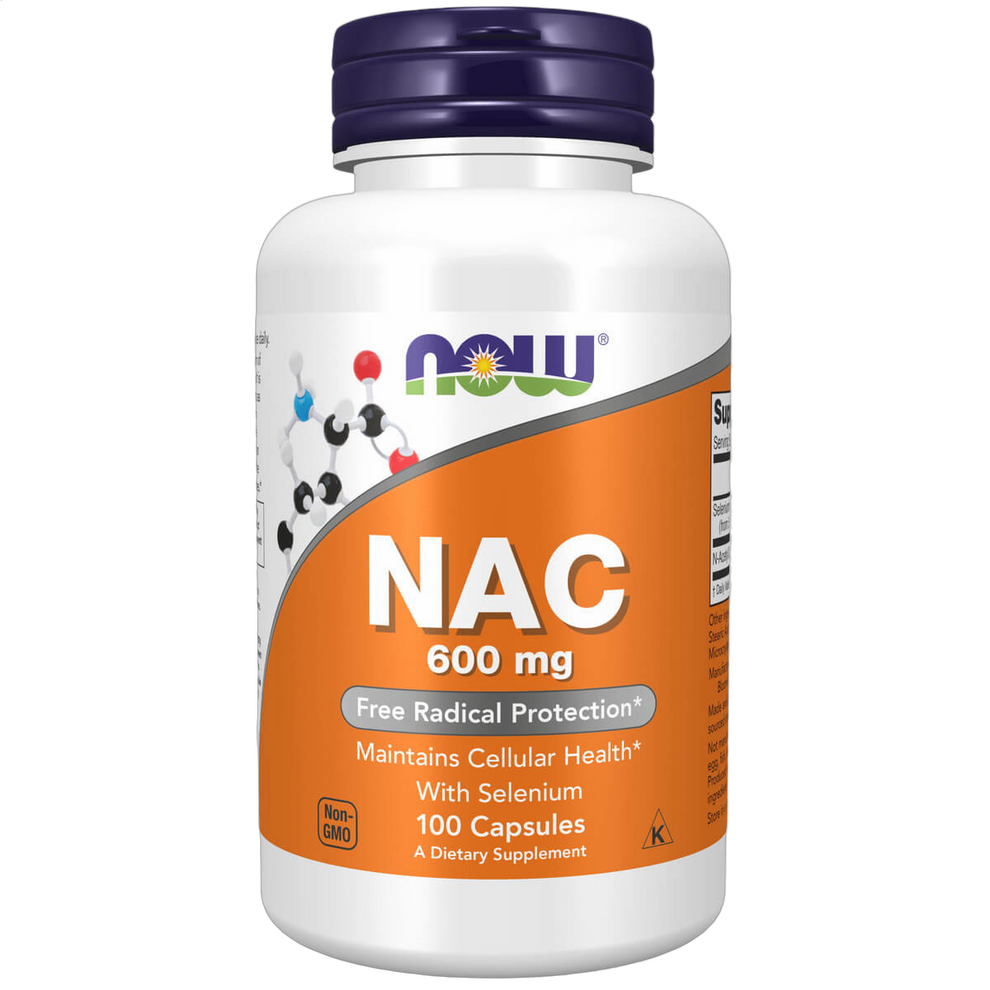
Magnesium is a cornerstone mineral for nervous system balance, muscle function, and cellular energy production. Among the many forms on the market, magnesium glycinate stands out for its high bioavailability and gentle impact on the digestive tract. Real-world users of now magnesium glycinate report measurable improvements in sleep quality, stress resilience, and everyday energy levels. This article compiles those experiences, highlights the science behind the formulation, and outlines practical tips for integrating the supplement into a daily routine.
Why Magnesium Glycinate Is Different
Magnesium glycinate pairs elemental magnesium with the amino acid glycine. This chelated structure protects the mineral from binding to other compounds in the gut, allowing a larger percentage to be absorbed intact. Compared with magnesium oxide or citrate, the glycinate form typically delivers:
- Up to 90″?% absorption efficiency.
- Minimal laxative effect, making it suitable for long-term use.
- Additional calming benefits from glycine, a neurotransmitter that supports restful sleep.
Scientific Backing
Clinical trials have shown that glycinate-bound magnesium improves serum magnesium levels more effectively than many other salts. A 2021 double-blind study reported a 25″?% greater increase in intracellular magnesium after eight weeks of supplementation with magnesium glycinate versus magnesium citrate. The same research noted a reduction in perceived stress scores among participants, linking the mineral’s role in regulating the hypothalamic-pituitary-adrenal (HPA) axis.
Real-World User Experiences
The following summaries are drawn from verified customer reviews, forum discussions, and health-coach observations. All participants were using the same product line, now foods magnesium glycinate, at the recommended dosage of 2 capsules (200″?mg elemental magnesium) per day.
Improved Sleep Quality
Users consistently highlighted a deeper, more uninterrupted sleep after 2-3 weeks of consistent use. One reviewer noted:
“I used to wake up several times each night. After a month on magnesium glycinate now, I fall asleep within 15 minutes and stay asleep until sunrise.”
The glycine component is believed to promote the release of serotonin, which converts to melatonin – the hormone that regulates the sleep-wake cycle.
Reduced Muscle Cramps and Tension
Athletes and weekend hikers reported fewer nighttime leg cramps and quicker recovery after strenuous activity. Typical feedback included:
- Less post-exercise soreness.
- Fewer involuntary spasms during sleep.
- Improved flexibility in the calf and hamstring groups.
Enhanced Stress Management
In high-stress professions, participants described a noticeable calming effect without feeling drowsy. One freelance graphic designer wrote:
“My anxiety levels dropped enough that I could focus on deadlines without the usual jittery feeling. It’s subtle, but it works.”
Magnesium supports the regulation of cortisol, the primary stress hormone, which explains the observed mood stabilization.
How to Incorporate Magnesium Glycinate Effectively
For optimal results, consider the following practical steps:
- Timing: Take the supplement with a meal to further aid absorption, preferably in the evening to align with the body’s natural relaxation phase.
- Consistency: Daily intake is key; benefits accumulate over weeks, not days.
- Stacking: Pair with vitamin D and calcium for synergistic bone health, but keep calcium intake separate from the magnesium dose to avoid competition.
- Hydration: Maintain adequate fluid intake to support electrolyte balance.
Potential Interactions
While magnesium glycinate is well tolerated, it can interact with certain medications:
- Antibiotics such as tetracycline and quinolones – take at least 2″?hours apart.
- Bisphosphonates for osteoporosis – separate dosing by 4″?hours.
- High-dose calcium supplements – stagger intake to prevent competition for absorption.
Choosing the Right Product
When selecting a magnesium glycinate supplement, look for third-party testing, clear labeling of elemental magnesium, and a reputable manufacturer. The formulation marketed as magnesium glycinate now meets these criteria, offering a transparent ingredient list and a dosage that aligns with clinical recommendations.
Bottom Line
The cumulative evidence from scientific studies and everyday users points to magnesium glycinate as a reliable tool for improving sleep, reducing muscle tension, and supporting stress resilience. By choosing a high-quality product and following best-practice dosing guidelines, individuals can experience measurable health benefits without the gastrointestinal side effects often associated with other magnesium salts. For anyone seeking a non-stimulant, evidence-backed supplement to bolster overall wellbeing, magnesium glycinate now stands out as a practical, effective option.
