
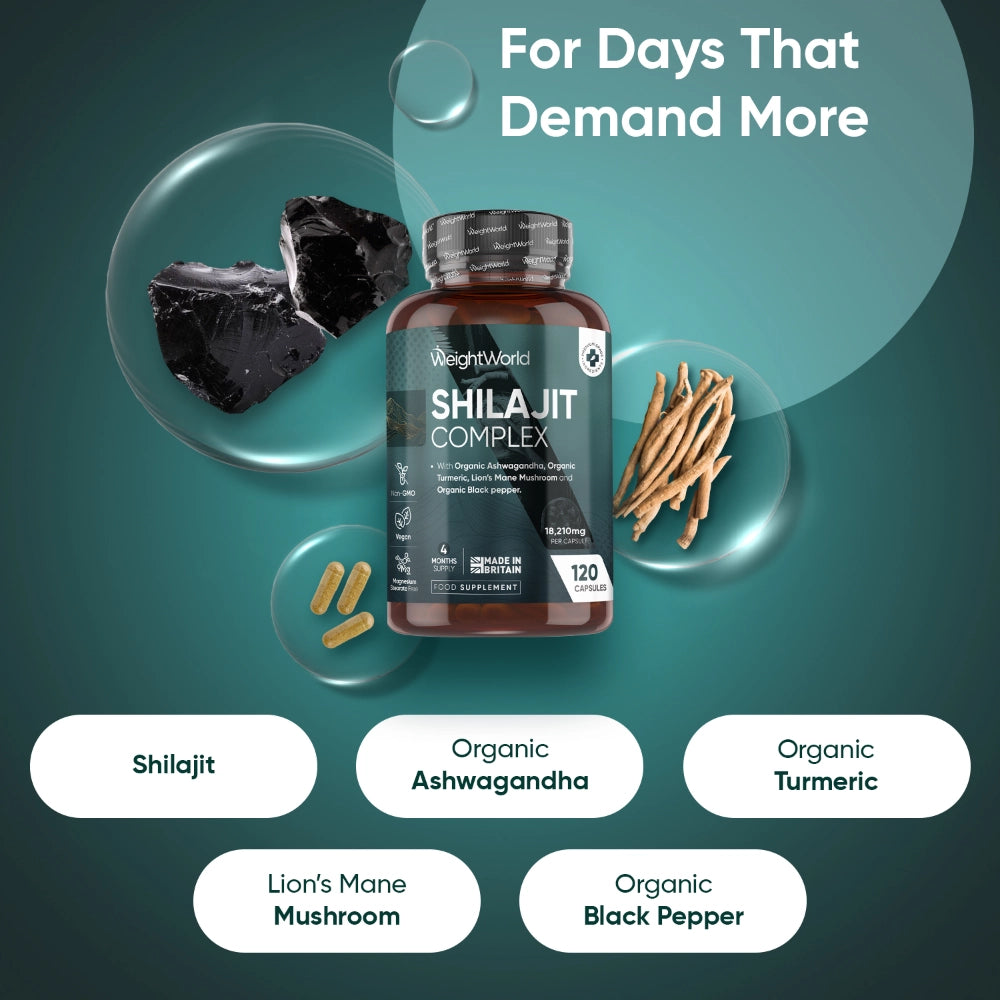
In recent years, the ancient mineral resin known as shilajit has moved from traditional Ayurvedic texts to mainstream wellness shelves, attracting attention from athletes, researchers, and health-conscious consumers alike. This transition is not merely a trend; it reflects a growing body of scientific inquiry that validates shilajit’s rich composition of fulvic acid, trace minerals, and bioactive compounds. When formulated as a supplement, shilajit offers a convenient way to tap into these benefits, supporting energy metabolism, cellular health, and overall vitality. Understanding how shilajit works, the evidence behind its claims, and best practices for supplementation can help individuals make informed choices about incorporating this potent adaptogen into their daily routine.
What Is Shilajit and How Is It Produced?
Shilajit is a dark, tar-like exudate that seeps from rocks in high-altitude regions of the Himalayas, Altai, and Caucasus mountains. Over centuries, plant matter decomposes under pressure and extreme temperature fluctuations, creating a mineral-rich resin that is harvested, purified, and dried into a fine powder or capsule form. The key components include:
- Fulvic acid – a powerful antioxidant that enhances nutrient absorption.
- Trace minerals – over 80 minerals such as magnesium, potassium, and zinc.
- Dibenzo-??-pyrones – compounds linked to mitochondrial support.
Modern extraction methods aim to retain these bioactive ingredients while removing heavy metals and contaminants, ensuring a safe product for daily use.
Scientific Insights into Shilajit’s Health Benefits
Energy Production and Physical Performance
Research indicates that the fulvic acid in shilajit can improve mitochondrial function, the cell’s energy factories. A double-blind study involving 60 adults showed a significant increase in VO??? max and reduced fatigue after eight weeks of supplementation.
Supporting Cognitive Function
Neuroprotective effects have been observed in animal models, where shilajit reduced oxidative stress in the brain and enhanced memory retention. Human trials, though limited, suggest potential benefits for mental clarity and focus.
Bone and Joint Health
Trace minerals such as calcium, magnesium, and phosphorus are essential for bone remodeling. Supplementation may aid in maintaining bone density, especially in post-menopausal women.
Immune Modulation
The antioxidant properties of fulvic acid help regulate inflammatory pathways, contributing to a balanced immune response.
How to Choose a High-Quality Shilajit Supplement
Not all shilajit products are created equal. When evaluating options, consider the following criteria:
- Source Transparency: Look for products that disclose the geographic origin and harvesting method.
- Purity Testing: Certified third-party lab results for heavy metals, microbial contamination, and pesticide residues.
- Standardized Fulvic Acid Content: Effective doses typically range from 200-500″?mg of fulvic acid per serving.
- Formulation: Capsules, powders, and resin each have distinct bioavailability; capsules are convenient for consistent dosing.
Brands that adhere to Good Manufacturing Practices (GMP) and provide clear batch information tend to deliver more reliable outcomes.
Recommended Dosage and Usage Guidelines
Optimal dosing varies based on individual health status, activity level, and the specific product’s potency. General recommendations include:
- Start with a low dose (e.g., 250″?mg) for the first week to assess tolerance.
- Gradually increase to 500-1000″?mg per day, divided into two doses with meals.
- Maintain consistent intake for at least 8-12 weeks to observe measurable effects.
- Consult a healthcare professional before use if pregnant, nursing, or on medication.
Potential Side Effects and Safety Considerations
When sourced and processed correctly, shilajit is well-tolerated. However, possible adverse reactions include mild gastrointestinal discomfort or allergic responses in sensitive individuals. Contamination with heavy metals is the primary safety concern; therefore, selecting a product that provides a Certificate of Analysis (CoA) is essential.
Integrating Shilajit into a Holistic Wellness Routine
For maximum benefit, shilajit should complement, not replace, other health practices. Consider pairing the supplement with:
- Balanced nutrition rich in whole foods, antioxidants, and adequate protein.
- Regular physical activity, especially endurance and strength training.
- Stress-management techniques such as meditation, yoga, or breathwork.
- Quality sleep hygiene to support cellular repair and hormone balance.
When combined with these lifestyle pillars, shilajit can act as a catalyst for improved energy, recovery, and overall resilience.
Where to Find Reliable Shilajit Supplements
Consumers seeking a trustworthy source can explore reputable online retailers that specialize in premium natural supplements. A well-curated selection often includes detailed product pages, third-party testing documentation, and transparent sourcing information. For those interested in exploring the full range of options, the shilajit collection offers a variety of formulations designed to meet different preferences and dosage needs.
Conclusion
Shilajit stands out as a unique, mineral-dense adaptogen with a growing evidence base supporting its role in energy metabolism, cognitive health, and overall vitality. By understanding its composition, reviewing scientific findings, and selecting a high-quality product, individuals can responsibly harness its potential. As part of a comprehensive wellness strategy, anchored in nutrition, movement, and rest, shilajit supplementation may provide the subtle yet powerful edge needed to thrive in today’s demanding world.
