
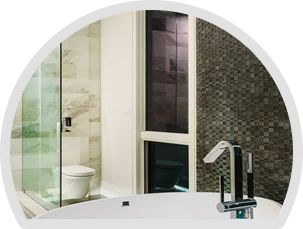
Choosing a reliable home remodeling contractor is a critical step for any homeowner who wants to enhance the functionality, aesthetics, and value of their property. A trustworthy professional brings expertise, adherence to building codes, transparent communication, and a commitment to delivering results on schedule and within budget. This article outlines the essential factors to consider when evaluating contractors, the stages of a typical remodeling project, and best practices for ensuring a smooth, stress-free experience.
Key Qualities of a Trusted Remodeling Contractor
Licensing and Insurance
Verification of proper licensing and insurance protects both the homeowner and the contractor. A valid license demonstrates compliance with local regulations, while comprehensive insurance covers potential accidents or property damage during the renovation.
Experience and Portfolio
Seasoned contractors usually showcase a portfolio of completed projects that reflect a range of styles and scopes. Reviewing past work helps gauge craftsmanship and the ability to handle specific remodeling challenges.
Transparent Communication
Clear, consistent communication reduces misunderstandings and keeps the project on track. Look for contractors who provide detailed written estimates, timelines, and regular progress updates.
Steps to Evaluate Potential Contractors
- Request written estimates from at least three contractors to compare pricing and scope.
- Check the status of licenses and insurance through local regulatory agencies.
- Ask for references and follow up with former clients to discuss satisfaction and reliability.
- Review online resources for any disciplinary actions or complaints.
- Confirm that the contractor offers a clear contract outlining payment schedules, warranties, and change-order procedures.
For a deeper dive into the vetting process, Read more about this topic.
Typical Phases of a Home Remodeling Project
1. Planning and Design
The initial phase involves defining goals, establishing a budget, and creating design plans. Architects or designers may be consulted to produce drawings that align with the homeowner’s vision.
2. Permitting
Depending on the scope, local authorities may require permits for structural changes, electrical work, or plumbing alterations. A qualified contractor usually handles the permit application process.
3. Demolition and Preparation
Safe demolition of existing structures prepares the site for new construction. Proper disposal of debris and protection of surrounding areas are essential for safety and cleanliness.
4. Construction and Installation
This core phase includes framing, rough-in work (electrical, plumbing, HVAC), insulation, drywall, flooring, cabinetry, and finishing touches. Regular inspections ensure compliance with code requirements.
5. Final Inspection and Punch List
After completion, a final walkthrough identifies any minor issues that need correction. Once resolved, the contractor provides a certificate of occupancy or final approval.
To explore detailed guidance on each phase, Learn more in this detailed guide.
Best Practices for a Successful Remodel
- Set a realistic budget: Include a contingency of 10-15″?% for unexpected expenses.
- Maintain open communication: Schedule regular meetings to review progress and address concerns promptly.
- Document changes: Use written change orders for any scope modifications to avoid cost overruns.
- Protect the home: Use dust barriers, floor coverings, and proper ventilation to minimize disruption.
- Plan for timelines: Understand that delays can occur due to weather, material availability, or permit processing.
For additional strategies on managing timelines and budgets, Explore further insights here.
Common Remodeling Mistakes to Avoid
- Choosing the lowest bid without verifying qualifications.
- Skipping the permitting process, which can lead to fines or forced deconstruction.
- Changing design plans mid-project without formal change orders.
- Neglecting to verify subcontractors’ credentials.
- Overlooking the importance of proper ventilation and moisture control.
Understanding these pitfalls can save time, money, and frustration. For a comprehensive list of mistakes and how to prevent them, Find additional information here.
Conclusion
Selecting a trusted home remodeling contractor requires diligent research, clear communication, and a focus on professionalism. By assessing licensing, experience, and transparency, and by following structured project phases, homeowners can achieve high-quality renovations that enhance both livability and property value. Implementing best practices and avoiding common errors further ensures that the remodeling journey remains efficient and rewarding.
